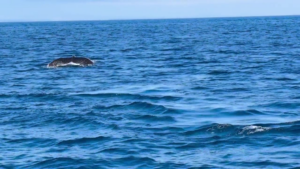
Scenic views, rich biodiversity, cultural heritage, and endless recreational opportunities are just a handful of treasures found along Ventura County’s 42-mile coastline. Our beaches bring together communities and are an integral part of Ventura County as a whole. Therefore, we must take everyday actions to keep our coastal and marine environments clean for not only ourselves, but also for wildlife and future generations.
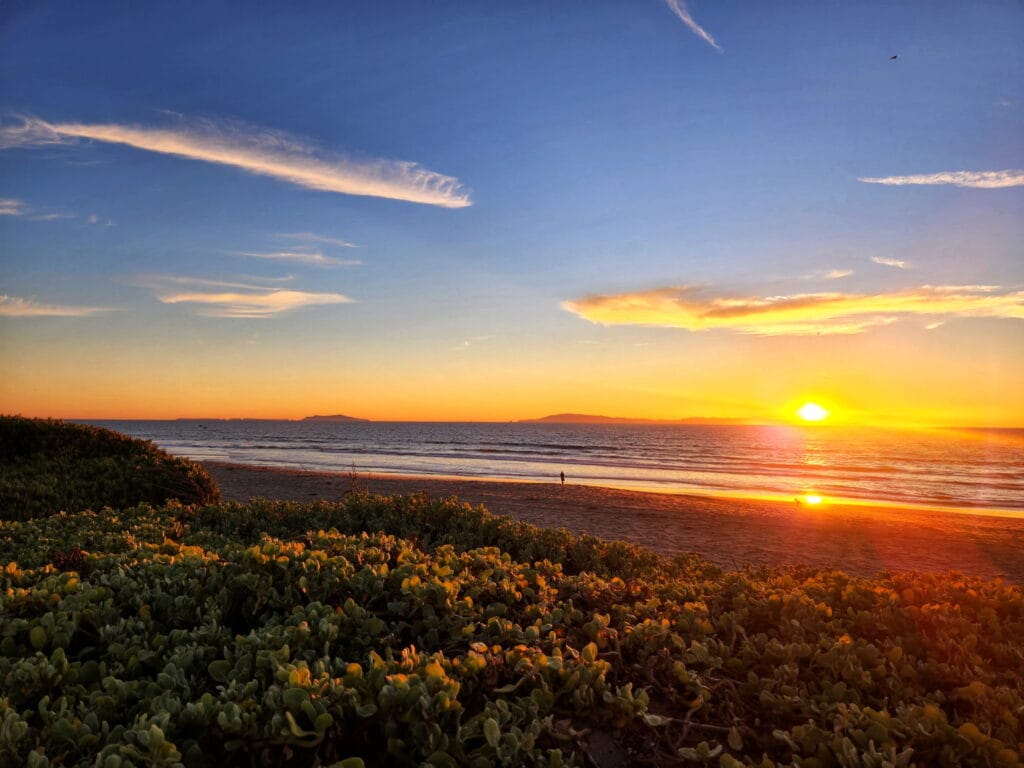
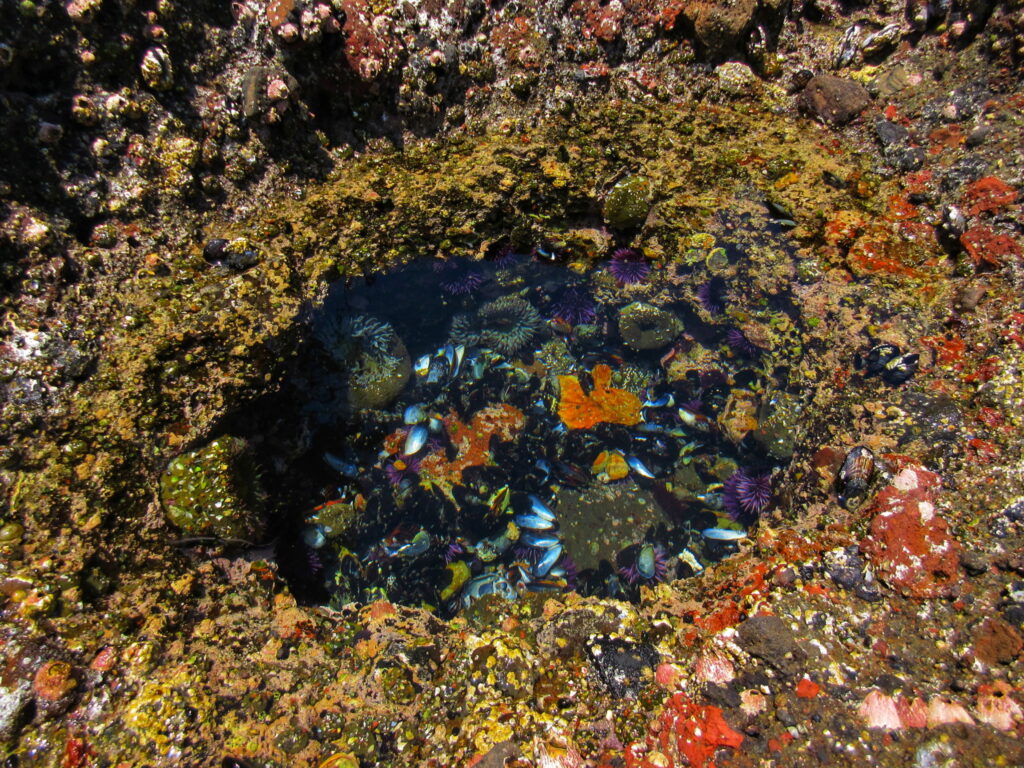
Photos: Emily Nye, VCRCD
A major threat to watersheds and beaches throughout the world is plastic pollution. Oftentimes, plastic— in the form of food wrappers, straws, and grocery bags— is used once and thrown away. In fact, “nearly 50% of all plastic produced is for single use purposes” (Plastic Oceans International, n.d.). We use plastic briefly, only for it to last up to 20-500 years after its use. Plastic is overwhelming our waste management systems, and a consequence of this is leakage into our natural environment.
No beach is a stranger to marine debris, or any solid material that is disposed of or abandoned into marine environments. According to the California Coastal Commission, marine debris is found in “every major body of water on the planet and along every shoreline in the world, no matter how remote” (California Coastal Commission, 2023). One may think that this debris mainly originates from ocean sources, like cruise ships, cargo ships and shipping vessels. However, these sources only make up 20% of the debris found in our oceans. The remaining 80% of debris comes from land-based activities, often being carried by wind, stormwater runoff, and river systems.
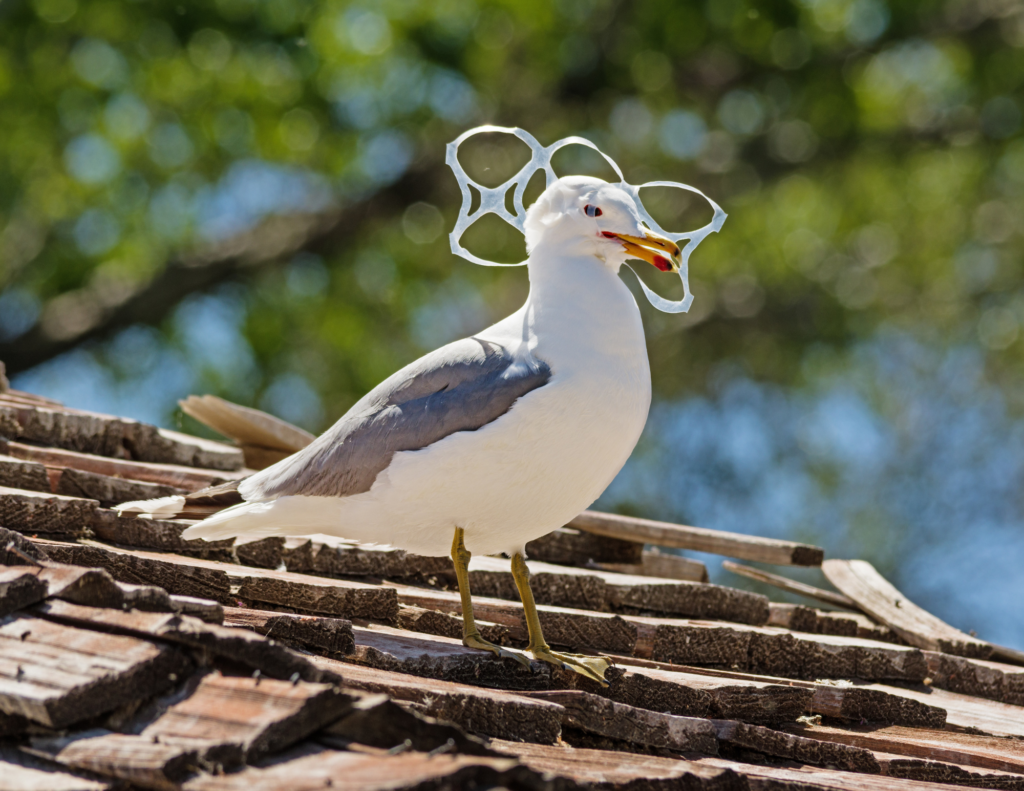
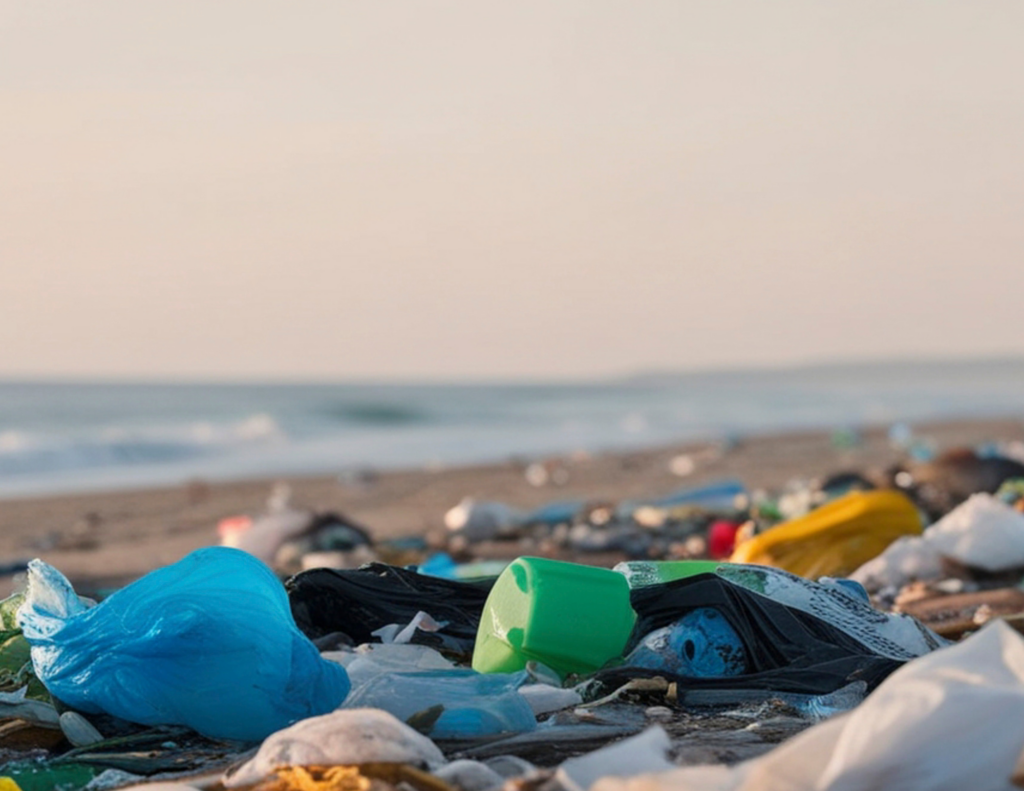
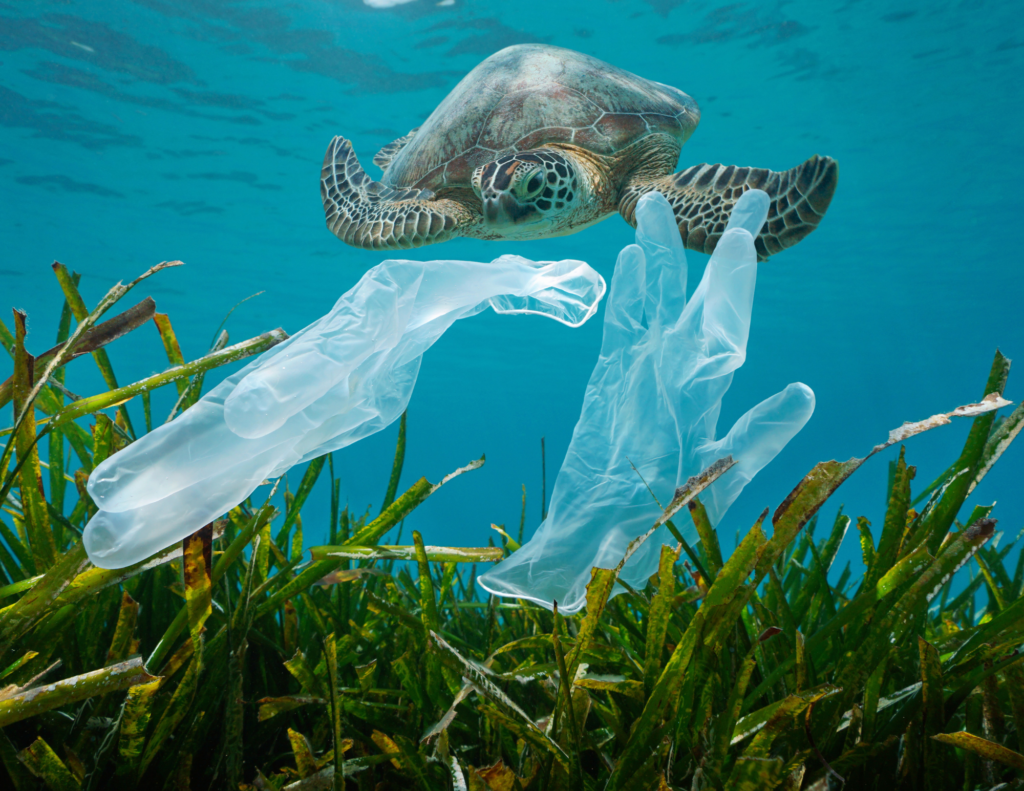
Marine debris negatively impacts wildlife through entanglement, ingestion, and habitat disruption. Additionally, marine debris poses threats to human health through polluting our waterways and exposing us to hazards (like glass and needles) on the beach. So— what can you do to help? Utilize reusable items instead of single-use items, recycle plastic when you can, keep storm drains clean, educate yourself and your neighbor on plastic pollution and its effects, support government action that limits marine debris, and, of course, participate in a beach or inland waterway cleanup. Better yet, participate in the largest volunteer event in California this September: the 42nd Annual Coastal Cleanup Day! Held on September 19, 2026 from 9 am to 12 pm, sites throughout Ventura County will be hosting cleanups to stop plastic pollution at the source. Learn more at Ventura County Coastal Cleanup Day. The change starts with you!
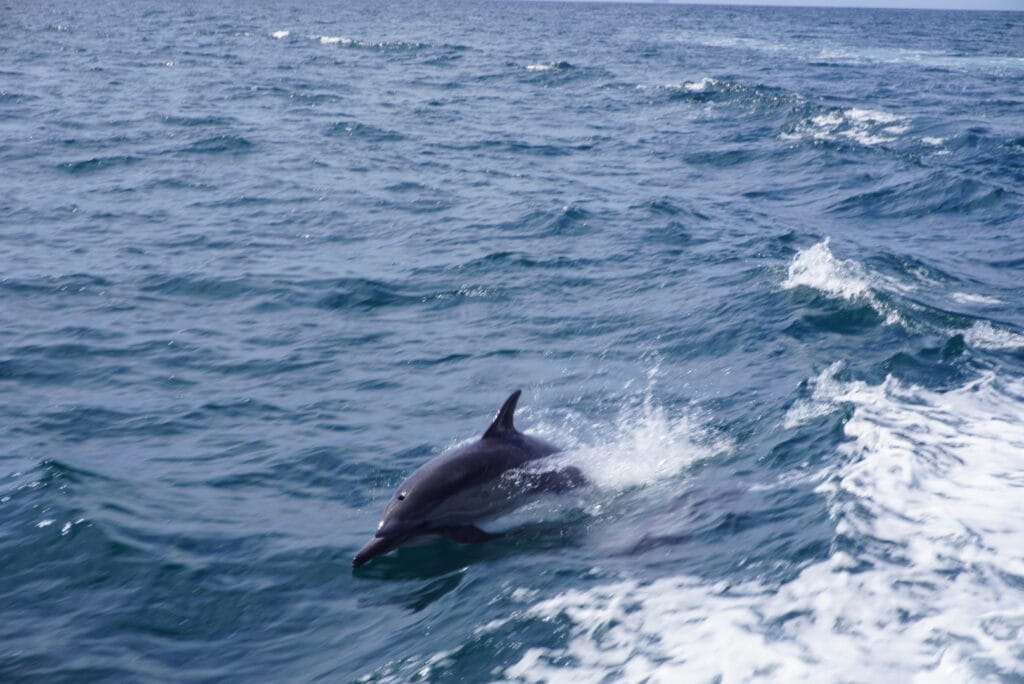
Photo: Sophia Avalos, VCRCD
Sources:
- Plastic Oceans International. (n.d.). The facts. https://www.plasticoceans.org/blog/the-facts
- California Coastal Commission. (2023, April). The problem with marine debris. https://www.coastal.ca.gov/publiced/marinedebris.html