In the U.S., around 30-40% of the food supply is wasted— that’s approximately 133 billion pounds of uneaten food every year. When food waste is sent to the landfill, it decomposes anaerobically (without oxygen). This process releases methane, a greenhouse gas that is approximately 28 times more potent than carbon dioxide. According to the U.S. Environmental Protection Agency (EPA), “wasted food causes 58% of methane emissions from municipal solid waste landfills.” Limiting your household food waste is a powerful action you can take to not only reduce your environmental footprint but also save money. Here are some helpful tips and tricks!
- Meal Plan
- Each week, create a list of ingredients to purchase for your meals. This will help you save money and limit your food waste by ensuring you buy only what you need.
- Properly Store Perishable Items for Optimal Freshness
- Did you know where you store items in your fridge matters? Properly storing refrigerated items will help keep them fresh! Use the door for condiments and juices, the top shelf for ready-to-eat items, middle shelves for dairy, and bottom shelves (the coldest part of the fridge) for meat. As for produce, keep veggies in high humidity drawers and fruits in low humidity drawers.
- Freeze Excess Food
- Do you have food that won’t be eaten before it spoils? Utilize a freezer! Freezing food prolongs freshness. Ensure you properly package the food and control the temperature for best quality.
- Learn Food Product Dates
- There are a variety of food product dates you may see while purchasing food at the grocery store. Learn how to decode the different food date labels you may see.
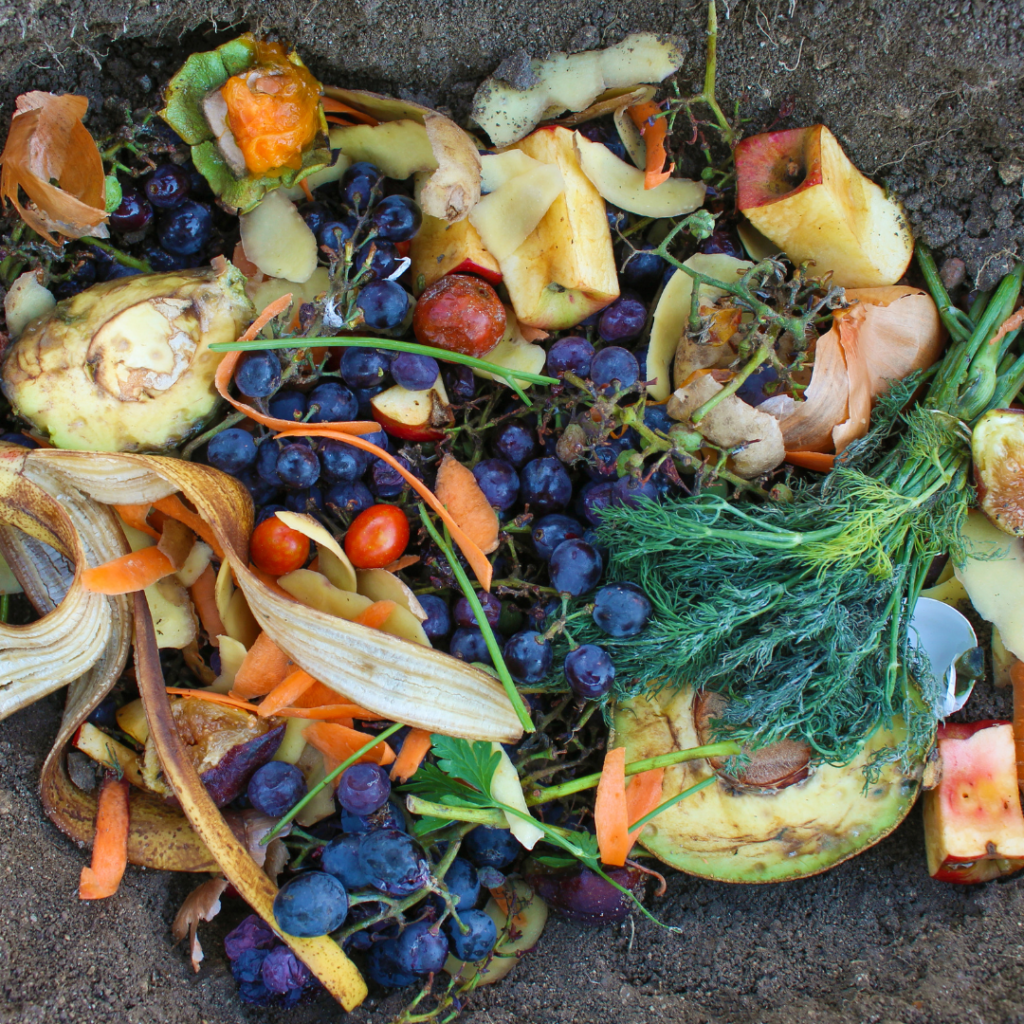
- Compost Food Scraps
- Composting food scraps diverts food from our landfills— what a great way to reduce your methane emissions! Read about how to compost at home.
- Share leftovers
- Do you live near family and friends? Share your leftover food! If you have unopened, non-perishable items, donate them to your local food bank.
Sources
- United States Department of Agriculture. (n.d.). Why should we care about food waste? https://www.usda.gov/about-food/food-safety/food-loss-and-waste/why-should-we-care-about-food-waste
- United States Environmental Protection Agency. (2026, March 4). Quantifying methane emissions from landfilled food waste. https://www.epa.gov/land-research/quantifying-methane-emissions-landfilled-food-waste
- United States Environmental Protection Agency. (2025, April 4). Estimating the cost of food waste to American consumers. https://www.epa.gov/land-research/estimating-cost-food-waste-american-consumers
- United States Environmental Protection Agency, & United States Department of Agriculture. (2024, June). Food waste and methane: What’s the connection? https://www.epa.gov/system/files/documents/2024-06/epa_usda_methane_and_food_waste_fact_sheet.pdf